 中文
中文 English
 العربية
Source: Cross-border Risk Management
On October 24, 2025, Abu Dhabi laid the foundation for the world's first gigawatt-scale, round-the-clock renewable energy project. PowerChina is constructing the northern section, comprising 2.1 GW of photovoltaic capacity and 7.6 GWh of energy storage. This marks the deep integration of Chinese enterprises into the core of the UAE's energy transition. The project is expected to be operational in 2027, reshaping the clean power landscape.
This article is the 210th installment in the "UAE Business Guide" series by the Arabia-China Industrial Institute, providing in-depth coverage of industrial policies, laws and regulations, industry trends, market demand, competitive landscape, and potential transaction opportunities in Sino-Arab investment, trade, and engineering construction.
Project Groundbreaking: A New Milestone in Global Energy Transition
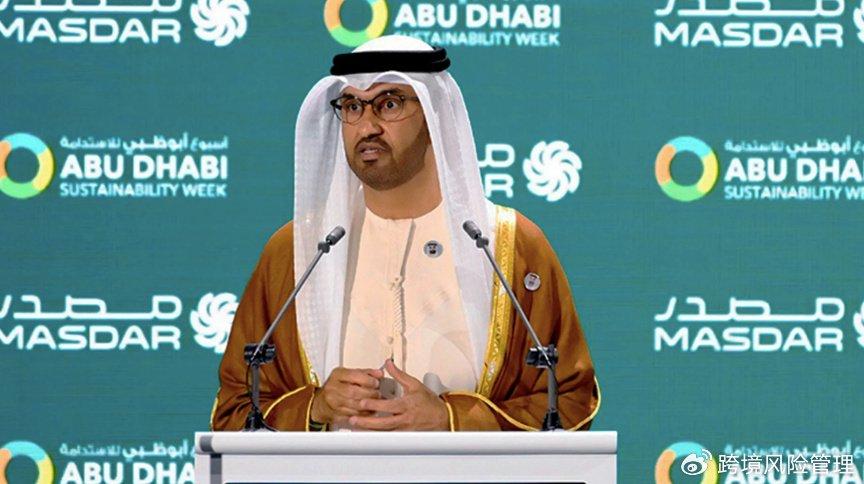
On October 24, 2025, the world's first round-the-clock solar-plus-storage power project, jointly developed by Abu Dhabi Future Energy Company (Masdar) and Emirates Water and Electricity Company (EWEC), officially broke ground. This project, with a total installed capacity of 5.2 GW of photovoltaic power and equipped with a 19 GWh battery energy storage system, is scheduled to commence operations in 2027. It is not only the largest and most ambitious project in Masdar's history but also one of the largest of its kind globally.
The groundbreaking ceremony was guided by the vision of UAE President Sheikh Mohamed bin Zayed Al Nahyan and witnessed by his son, Sheikh Theyab bin Mohamed bin Zayed Al Nahyan. PowerChina, as a key participant, is responsible for the northern block, including 2.1 GW of PV and 7.6 GWh of storage. The project is positioned as a model for the global energy transition, directly addressing the intermittency of renewable energy, achieving a continuous round-the-clock output of 1 GW of baseload power, and avoiding approximately 5.7 million tons of CO2 emissions annually.
From a financial perspective, this groundbreaking marks the accelerated implementation of the UAE's energy strategy. With a total investment exceeding $6 billion, the project will create over 10,000 jobs and stimulate the establishment of new manufacturing and service facilities. This not only boosts economic diversification in the UAE but also provides international investors with a replicable blueprint for clean energy investment.
Technological Innovation: Stable Output Driven by Virtual Power Plants and AI
The core of the project lies in integrating advanced technologies to achieve a stable supply of clean energy. Through a "Virtual Power Plant" model, grid-forming and self-starting technologies, AI-powered forecasting systems, and smart power distribution networks, the system ensures seamless coordination between solar generation and energy storage. The design incorporates digital twins, virtual power plants, and advanced intelligent control systems, equipped with AI-enhanced forecasting and smart dispatch infrastructure to support predictive analysis and system optimization.
As the world's largest and most advanced integrated solar-plus-storage system, the project deploys a 5.2 GW PV array and a 19 GWh battery storage system in a desert environment, facing engineering challenges such as site preparation, grid interface design, thermal management for large-scale storage, and civil works interconnection. The system-level engineering requires ensuring the PV and batteries operate as a unified, dispatchable unit, implementing cooling and heat dissipation systems, and maintaining grid stability with high penetration of renewables.
PowerChina's responsibility for the northern block highlights its technical capabilities. This block accounts for nearly 40% of the total capacity and involves deep integration of PV and storage. This reflects the enhanced competitiveness of Chinese companies in the global solar-plus-storage sector. The project utilizes PV modules from JA Solar and Jinko Solar, and batteries from CATL. EPC contractors include Larsen & Toubro and PowerChina, with the internationalized supply chain highlighting advantages in cost control and efficiency.
Financial analysis indicates that this technological integration will reduce intermittency risks and promote globally competitive power tariffs. The project's output of 1 GW of continuous clean baseload power is suitable for high-demand industries like AI, potentially lowering the UAE's power costs and providing reliable energy support for digital transformation.
Strategic Significance: Supporting the UAE's 2050 Energy Blueprint
The project holds a key position in the UAE's "2050 Energy Strategy," driving the achievement of its 2030 clean energy targets. It is not only a crucial step in transforming the energy mix but also lays the foundation for a stable, low-carbon, and sustainable energy future. The UAE views AI as a pillar of economic diversification; this project will meet the energy demands of AI research, innovation, and adoption, supporting the 2031 national strategy.
From a macroeconomic perspective, the project aids the UAE's shift from fossil fuel reliance to renewable dominance. The annual reduction of 5.7 million tons of carbon emissions represents significant environmental external benefits, while also creating jobs and new facilities and stimulating local supply chains. Masdar aims for a 100 GW clean energy portfolio by 2030; this project, as a flagship, enhances its global battery storage footprint, including investments in the US, UK, and elsewhere.
For Chinese enterprises, this strengthens energy cooperation under the "Belt and Road" initiative. PowerChina's participation signifies the transition of Chinese companies from traditional infrastructure to high-end solar-plus-storage, potentially bringing technology exports and market share expansion. The project complements the Mohammed bin Rashid Al Maktoum Solar Park and the Barakah Nuclear Energy Plant, forming a diversified energy mix and enhancing national energy resilience
Economic Impact: Investment Returns and Global Blueprint
The project investment exceeds $6 billion and is expected to yield substantial returns. Through public-private partnerships, green bonds, and foreign capital attraction, the funding structure optimizes risk. Once operational, it will provide 24/7 clean power at globally competitive tariffs, meeting the growing demand from AI and the digital economy, and positioning the UAE as a green industrial hub.
Job creation exceeds 10,000 positions, covering construction, operation, and maintenance, stimulating local manufacturing. The supply chain involves international giants, lowering procurement costs while fostering a local innovation ecosystem, such as in AI energy management and IoT tools.
From a global perspective, the project sets a benchmark for gigawatt-scale solar-plus-storage, replicable in sun-rich regions. Following COP28, the UAE's credibility is enhanced; this move shifts from commitment to action, potentially attracting more green capital. PowerChina's share ensures Chinese companies benefit, expected to boost its international revenue and brand value.
Regarding risks, construction challenges in the desert environment and the complexity of technology integration require attention, but advanced AI and storage management mitigate intermittency, ensuring investment stability. Overall, within the project's return period, it will contribute to the UAE's GDP growth and provide investors with sustainable asset allocation opportunities.
Role of Chinese Enterprises: Deep Involvement and Future Opportunities
PowerChina is responsible for the northern section's 2.1 GW PV and 7.6 GWh storage, a significant share demonstrating its EPC strength. As a contractor alongside Larsen & Toubro, and with the supply chain incorporating CATL batteries, it highlights the leading position of Chinese companies in the energy storage field.
This continues the layout of Chinese enterprises in the Middle East, such as participation in the Mohammed bin Rashid Al Maktoum Solar Park. Financially, the project brings stable cash flow and technology validation for PowerChina, with potential expansion towards Masdar's global 100 GW target.
Long-term, Chinese companies can leverage this to export virtual power plant and AI control system technologies, capturing the UAE's AI energy demands. The cooperation model may evolve into joint development, strengthening Sino-Arab energy ties.
Conclusion: Financial Implications in the New Era of Clean Energy
The groundbreaking of the Abu Dhabi round-the-clock solar-plus-storage project is not just a technological breakthrough but also a shift in financial paradigms. It proves that renewable energy can serve as baseload power, balancing investment returns with environmental benefits. PowerChina's participation injects vitality from Chinese enterprises. The expected operation in 2027 is set to reshape the global clean power market. Facing an accelerating energy transition, this project offers high-growth opportunities for investors, ushering in a new chapter for sustainable finance.